
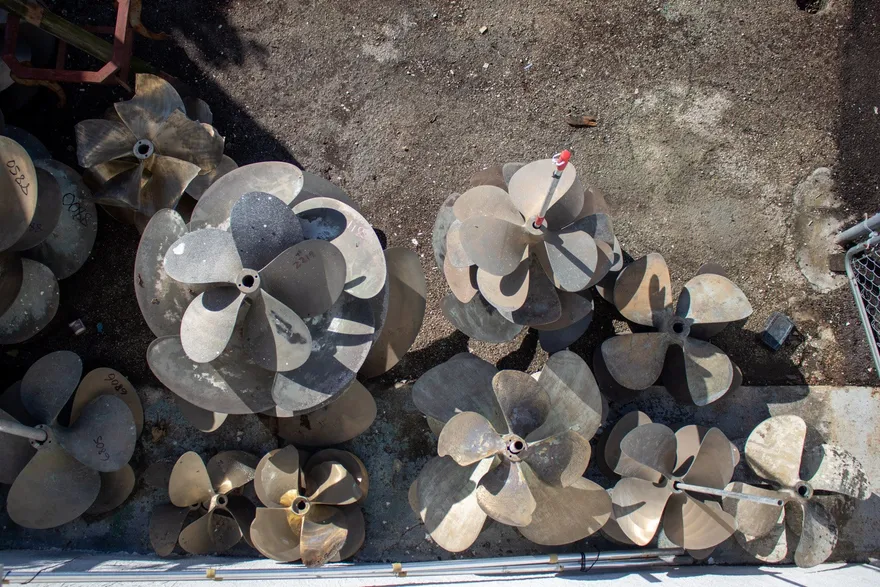
A boat’s propeller is its driving force, propelling it through the waters and ensuring a smooth voyage. Over time, like any other machinery, propellers can sustain damages that hinder their performance. This guide aims to delve deep into the realm of propeller repair, boat prop maintenance, and finding the right propeller repair shop.
Understanding the Basics: What is a Propeller?
A boat’s propeller, commonly referred to simply as a “prop,” is a type of fan that transmits power by converting rotational motion into thrust. They are crucial for the boat’s movement, directly influencing speed, fuel efficiency, and overall performance.
Common Causes of Prop Damage
- Striking Submerged Objects: One of the leading causes of damage. It could be anything from a log to underwater rocks. Even a minor strike can bend the propeller blade, affecting its performance.
- Corrosion: Saltwater environments, in particular, can cause corrosion if the propeller isn’t adequately protected or if the protective layer wears off.
- General Wear and Tear: Regular use can lead to small dings and nicks that might not seem like a big deal initially but can affect performance over time.
Damaged blades are rebuilt with Machine & Welding Services →
Signs You Need Boat Prop Repair
- Vibration while the boat is in motion.
- The boat consumes more fuel than usual.
- Noticeable decrease in the boat’s top speed or acceleration.
- Visible dings, nicks, or bends on the propeller.
Persistent vibration is diagnosed with Two-Plane Dynamic Balancing →
DIY Prop Repair vs. Professional Propeller Repair Shop
While minor prop repairs can sometimes be managed by boat owners, significant damages often require a professional touch.
DIY Prop Repair:
- Suitable for very minor nicks or dings.
- Requires basic tools and perhaps a propeller repair kit.
- Can be time-consuming and might not achieve professional-level results.
Professional Propeller Repair Shop:
- Ideal for extensive damages, bent blades, or hub issues.
- Equipped with specialized tools and machinery for precision work.
- Trained technicians ensure the prop is balanced and restored to optimal performance.
Steps Involved in Professional Prop Repair
- Inspection: A thorough examination to determine the extent of the damage.
- Straightening: Bent blades are delicately straightened using hydraulic presses.
- Welding: For larger nicks or missing chunks, welding restores the propeller’s shape.
- Balancing: Ensures the prop spins correctly without causing undue vibration.
- Polishing: Gives the propeller a smooth finish, enhancing performance and aesthetics.
At Mrs G Propeller, inspection means a full scan on the Hale MRI system →
Maintenance Tips to Avoid Frequent Prop Repair
- Regular Inspection: Check for visible damages or signs of corrosion.
- Clean After Use: Especially if sailing in saltwater, rinse the propeller with fresh water.
- Use Protective Coatings: Protects against corrosion and minor abrasions.
- Be Mindful: Avoid shallow areas and navigate cautiously in unfamiliar waters.
The coating we apply and recommend is Propspeed →
Choosing the Right Propeller Repair Shop
- Experience: Look for a shop that’s been in the business for years, showcasing their expertise.
- Techniques: Ensure they employ the latest methods and machinery for prop repair.
- Customer Reviews: Check feedback from other boat owners for insights on the quality of service.
- Pricing: While you don’t want to skimp on quality, make sure the pricing is competitive.
Conclusion
Proper care and maintenance can significantly reduce the need for frequent prop repairs. However, when the time comes, opting for a reputable propeller repair shop ensures your boat’s most vital component is in the best hands. Whether you call it propeller repair, prop repair, or boat prop repair, one thing is sure: maintaining your prop’s health is paramount for a smooth sailing experience.